
Italy Visa

4.9/5 Rating
Trusted by 2,00,000+ travelers

Visa Lounge
With 99.3% Visa Approval Rate
Italy Visa Information
Length of Stay
180 Days
Validity
Upto 2 years
Entry
Multiple
Required Documents
As per Spain Immigration
- PASSPORT
- PHOTOGRAPH
- ACCOMMODATION
- FLIGHT TICKET
- ITINERARY
- TRAVEL INSURANCE
- PROOF OF SUFFICIENT FUNDS
- ITR
Required Documents
As per Spain Immigration
- PASSPORT
- PHOTOGRAPH
- ACCOMMODATION
- FLIGHT TICKET
- ITINERARY
- TRAVEL INSURANCE
- PROOF OF SUFFICIENT FUNDS
- ITR
- COVER LETTER
- EMPLOYMENT LETTER
- NOC
- GST COPY
- LEAVE LETTER
- BIOMETRIC
Documents We Provide
Check Appointment availability
Jurisdiction
If you're applying for a Switzerland Schengen Visa, where you apply depends strictly on your place of residence, not where you are flying from.
Appointment Centre Process
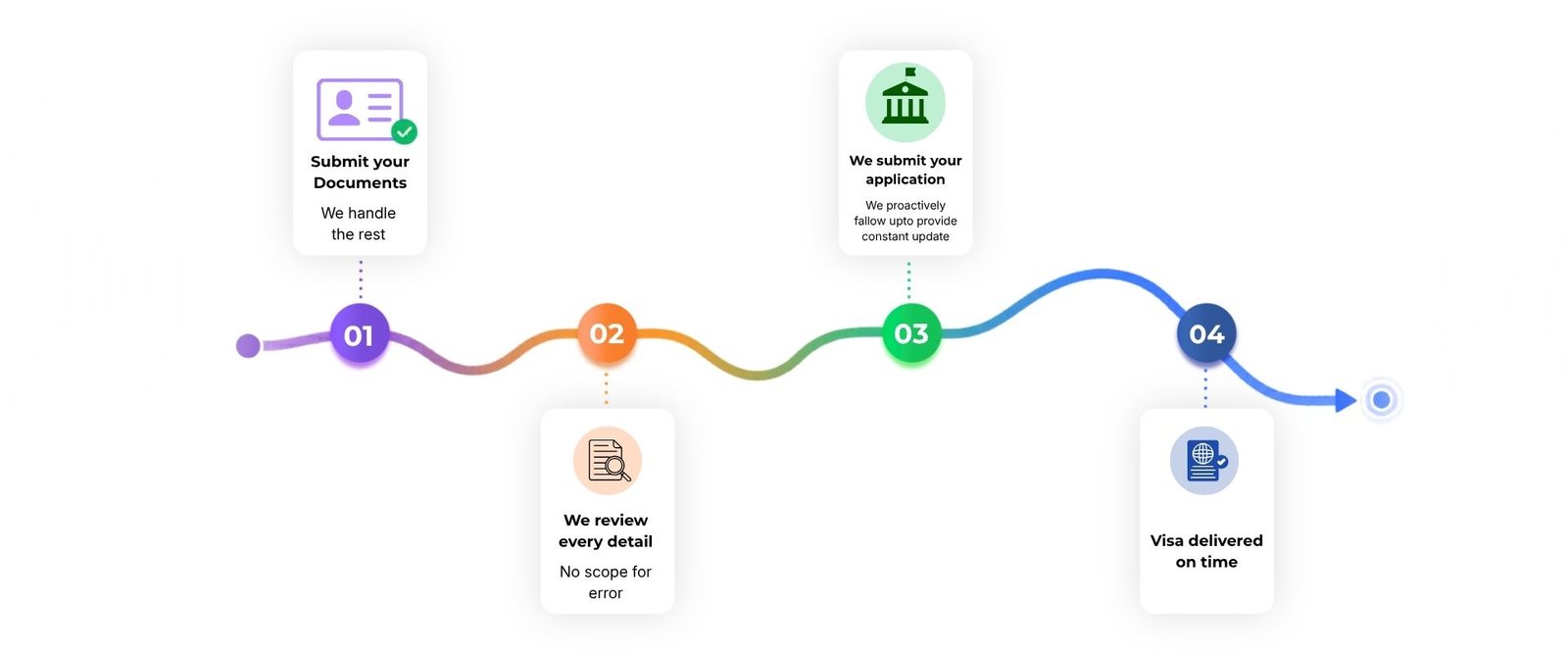
The visa process

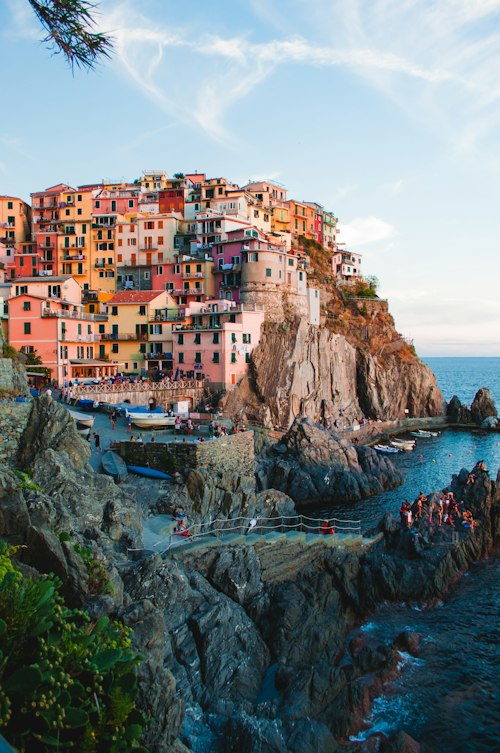
One visa to access 29 countries
Enter 29 countries on one schengen visa.
See countries closest to Spain that you can cover together!





TRUSTED BY TRAVELLERS
Real stories from our happy clients across the globe.
They handled my Schengen visa documents, tickets & hotels professionally. Amazing experience!
Arjun Rajpal
Schengen VisaVery smooth process for my Australia visa.
Sachin
Australia VisaThe UK visa process was extremely smooth and fast.
Akanksha Yadav
UK VisaGot my Schengen visa within a week. Very supportive team!
Pakshil Aggarwal
Schengen VisaThey took care of my urgent Japan visa. Very professional!
Sunira Ghosh
Japan VisaI booked my flight tickets to Thailand. Sachi was very helpful and patient. Highly recommended!
Kirti Kumari
Thailand TripNice one! Quick response and hassle-free service.
Ruata Chhakchhuak
Verified ClientI booked my flight tickets to Thailand. Highly recommended!
Kumari
Thailand TripYou need to fill out the application form, make sure your paperwork is in order, make an appointment at a visa center, and send in your application along with your biometrics. The consulate will look over your application when you submit it.
You can’t merely send in your application. You have to go through a visa center that is approved, like VFS. You do need to attend the center in person to give them your biometrics, though.
The Italy tourist visa validity for Indians is up to 180 days, allowing a maximum stay of 90 days within this period.
The visa’s validity allows you to enter Italy and other Schengen countries multiple times, provided you do not exceed the 90-day stay limit within a 180-day period.
The Italy visa processing time for Indians typically takes 15 working days from the receipt of a complete application.
However, this timeframe may be extended if the interview is required, additional documentation requests, or increased application volumes during peak travel seasons.
Your visa validity tells you how long you can use it to enter the Schengen area, and your stay term tells you how long you can stay. A lot of individuals who travel get this incorrect and stay too long.
The cover letter is very significant since it tells the reader why you are going, what you will do, and how you will pay for it. If you write a strong cover letter, you can be far more likely to get permission.
Microchip: Your pet must be microchipped with an ISO 11784/11785 compliant 15-digit pet microchip.
Rabies vaccination: Your pet must be vaccinated against rabies, which must be administered at least 21 days before travel.
EU pet passport: Your pet must have an EU pet passport if you travel from an EU country. If you travel from outside the EU, a third-country official veterinary certificate is required.
Tapeworm treatment: Dogs must be treated for tapeworm 24-120 hours before entering Italy.
Employment proof: If you’re employed, provide a letter from your employer confirming your job position, salary, and approved leave. Mention that your job will be waiting for you upon your return.
Owning property: Submit documents proving ownership of property or real estate in India, such as a house or land. This indicates a significant investment in your home country.
Family connections: Provide details about your family situation, such as marriage certificates or birth certificates of dependent children, to demonstrate your responsibilities in India.
Educational commitments: If you are a student, include a letter from your educational institution confirming your enrollment and the date you are expected to return to continue your studies.
Non-employed travellers: Travellers who cannot use business or employment documents can show proof of current activities in local organisations, volunteer work, or involvement in religious or cultural activities.
Retired travellers: Retired individuals can submit pension or retirement benefits. Additionally, utility bills and property ownership can be used to provide ties to India.
Here’s how it works:
Day counting: Start counting your days from the first day you enter a Schengen country. Each day you spend in the Schengen Area counts toward your 90-day limit.
180 Days: The 180 days are like a rolling window. It keeps moving forward as you move forward in time. So, whenever you want to enter a Schengen country, you must look back over the last 180 days. If you’ve stayed 90 days already within that period, you have to wait until some of those days “fall out” of the 180-day window before entering again.
Stay within the 90-day limit: You can use your 90 days all at once or spread them out with shorter visits. Just make sure that when you add up all the days you’ve spent in the Schengen Area during any 180-day period, it doesn’t exceed 90 days.
Example:
If you go to Italy on January 1st and stay for 30 days, then leave and come back on March 1st for another 30 days, you’ve used up 60 of your 90 days. If you want to visit again in May, you can only stay for 30 more days before reaching your 90-day limit within that 180-day window.
Consent letter: A letter of consent from the non-travelling parent(s) or legal guardian must be certified by a public notary.
Passport copies: Copies of the passport, PAN card, or driving license of both parents or legal guardians.
Travel authorisation: If the minor is travelling without both parents, a court order or written parental authorisation is required.
Proof of guardianship: If the minor is travelling with a third party, you must provide documentation proving the relationship and including permission from the parents or guardians.
Build a travel history: Obtain and properly use two Schengen visas within the last three years.
Apply for multiple-entry: Once you’ve met the travel history requirement, apply for a multiple-entry visa. This visa may initially be valid for up to two years. Proper use of this visa can lead to eligibility for a five-year multiple-entry visa.
Check passport validity: Ensure your passport is valid to cover the entire duration of the multiple-entry visa you are applying for.
Provide justifications: Your application should clearly outline the need for multiple entries, such as frequent business travel, family visits, or other ongoing travel needs.
Utilise the cascade regime: Under the EU’s “cascade” regime, Indian nationals can progress from a two-year visa to a five-year visa, gaining travel privileges similar to those of visa-free nationals if all conditions are met.
Understand EU regulations: The Visa Code Regulation (EC) No 810/2009 governs Schengen visas. The new “cascade” system facilitates easier access to long-term visas for Indian nationals with an established travel record.
Reapply for your visa: After your visa is rejected, you can submit a new application once you have addressed the reasons for the rejection. When doing so, ensure all your documents are complete and accurate before reapplying. If your visa was rejected due to minor issues, such as missing or incomplete documents, you have a high chance of getting it approved once you reapply.
Appeal the rejection: Alternatively, you can appeal the decision within 60 days of the rejection. To do this, gather any missing documents or additional information and write a compelling appeal letter explaining why your visa should be approved.
If you’ve been refused and want to understand exactly what went wrong, see your refusal reason decoded in plain language, and know your re-approval odds before reapplying — check your Italy visa recovery options here.
Incomplete documents: Having documents with missing or false information can cause visa rejection. Always double-check that all required documents are accurate, complete, and meet the specified requirements.
Insufficient financial proof: It is vital to have sufficient funds for your trip to Schengen. Make sure you clearly demonstrate that you have enough funds to cover your stay in Italy.
Unrealistic or inconsistent itinerary: Since the Schengen area consists of 29 countries, you must clearly indicate your travel plans, including your place of stay, booked flights, and planned activities in each country.
Lack of travel insurance: Secure comprehensive travel insurance that meets the mandatory coverage requirements.
Unclear purpose of visit: Be clear and precise about the purpose of your visit, your itinerary, and your reasons for visiting. The purpose of the visit can be mentioned in various documents, such as an invitation letter or travel itinerary.
Previous visa violations: A history of overstaying or violating visa terms in previous Schengen visits can negatively impact your application. Be sure to explain why your visa was violated and, if possible, indicate that it was unavoidable.
Medical certificate: Obtain a certificate from an Italian medical professional explaining the medical necessity for your extended stay.
Proof of insurance: Provide evidence that your travel insurance covers the additional period of your stay.
Financial proof: Show you sufficient funds to support yourself during the extended stay.
Size: 35 mm x 45 mm (width x height).
Head size: The head should occupy 70-80% of the photo, approximately 32-36 mm from chin to crown.
Colour: The photo must be in colour with a plain white or light grey background.
Face position: Your face should be centred, and look at the camera with a neutral expression.
Eyes: Eyes should be open and clearly visible, with no reflections or obstructions.
Glasses: If you wear glasses, ensure there is no glare or reflection on the lenses and your eyes are fully visible. Avoid wearing tinted glasses.
Headwear: Headwear is not allowed unless it is for religious reasons. In such cases, the entire face must be visible from the chin to the forehead, with the edges of the face clearly shown.
Recommendation: If you have limited blank pages remaining, it’s advisable to renew your passport. The Indian passport renewal through the ‘Tatkal’ (express) service typically takes about 3 days.
Pension statements: Provide pension statements from the past three to six months as evidence of a consistent income stream.
Bank statements: Submit statements showing a healthy balance and regular pension credits.
Proof of savings or investments: Include documents that reflect your financial stability, such as fixed deposits, mutual funds, or property ownership.
Retirement proof: Provide a copy of your retirement certificate or a letter from your former employer confirming your retirement status.
Sponsorship letter: If a family member sponsors your trip, include a sponsorship letter and proof of their financial capacity to support your stay.
Travel itinerary and accommodation: Clearly outline your travel plans and accommodation arrangements in Italy.
Tourism: Hotel reservations, a detailed travel itinerary, and return flight tickets.
Business: An invitation letter from a company or business partner in the Schengen Area and details of meetings or conferences you plan to attend.
Family visit: Invitation letter from your host in the Schengen country, along with their proof of residence and documentation showing your relationship.
No, you are not legally allowed to work remotely or engage in any form of employment while on a Schengen tourist visa. This visa is meant strictly for tourism, leisure, or short-term visits, not for work.
Consequences: If caught working remotely, you could face penalties, deportation, and even future visa bans.
The visa’s validity allows you to enter Italy and other Schengen countries multiple times, provided you do not exceed the 90-day stay limit within a 180-day period.
However, this timeframe may be extended if the interview is required, additional documentation requests, or increased application volumes during peak travel seasons.