
Russia Visa

4.9/5 Rating
Trusted by 2,00,000+ travelers

Visa Lounge
With 99.3% Visa Approval Rate
Russia Visa Information
Length of Stay
30 Days
Validity
120 Days
Entry
Single
Required Documents
As per Singapore Immigration
- PASSPORT
- ACCOMMODATION
Visa services you can trust, made easy
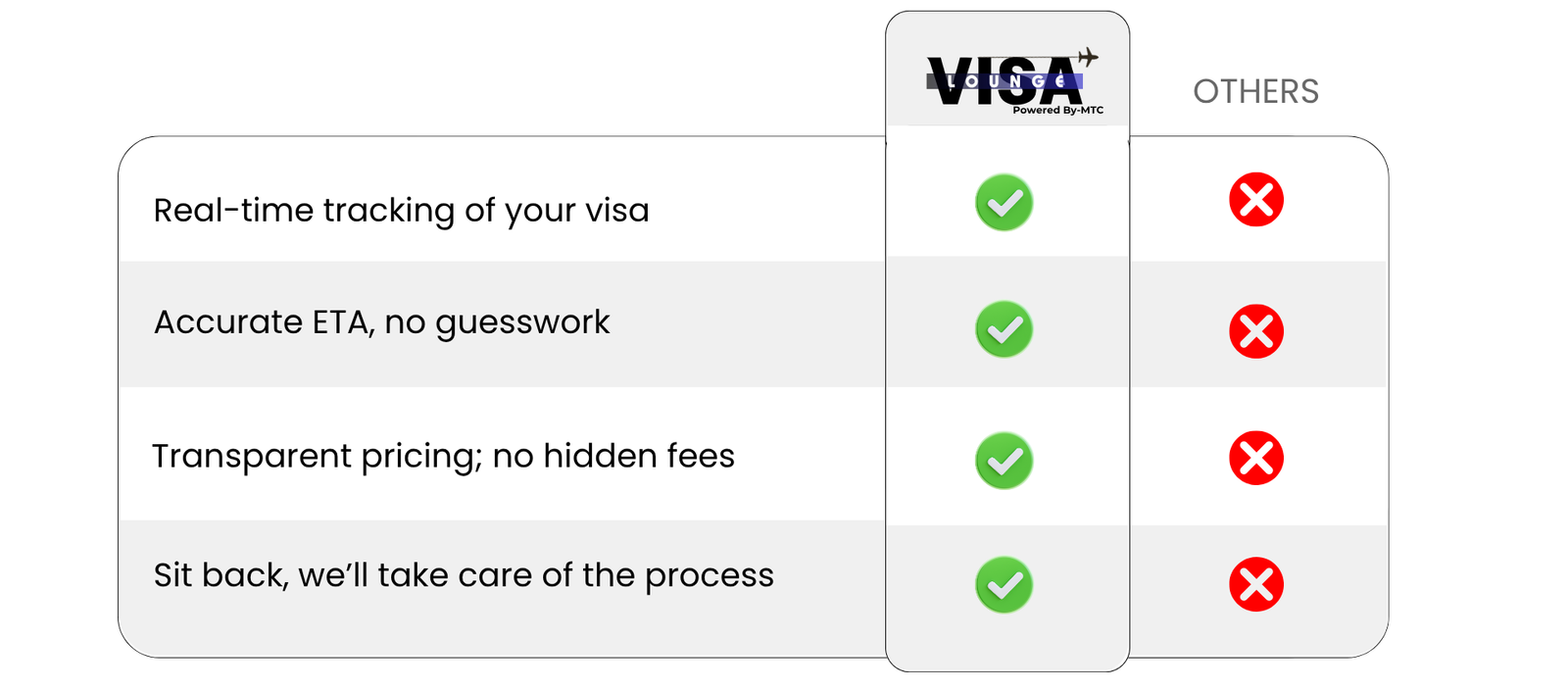
On-time processing, or no charge
When we don't keep our promise, we don't expect anything back
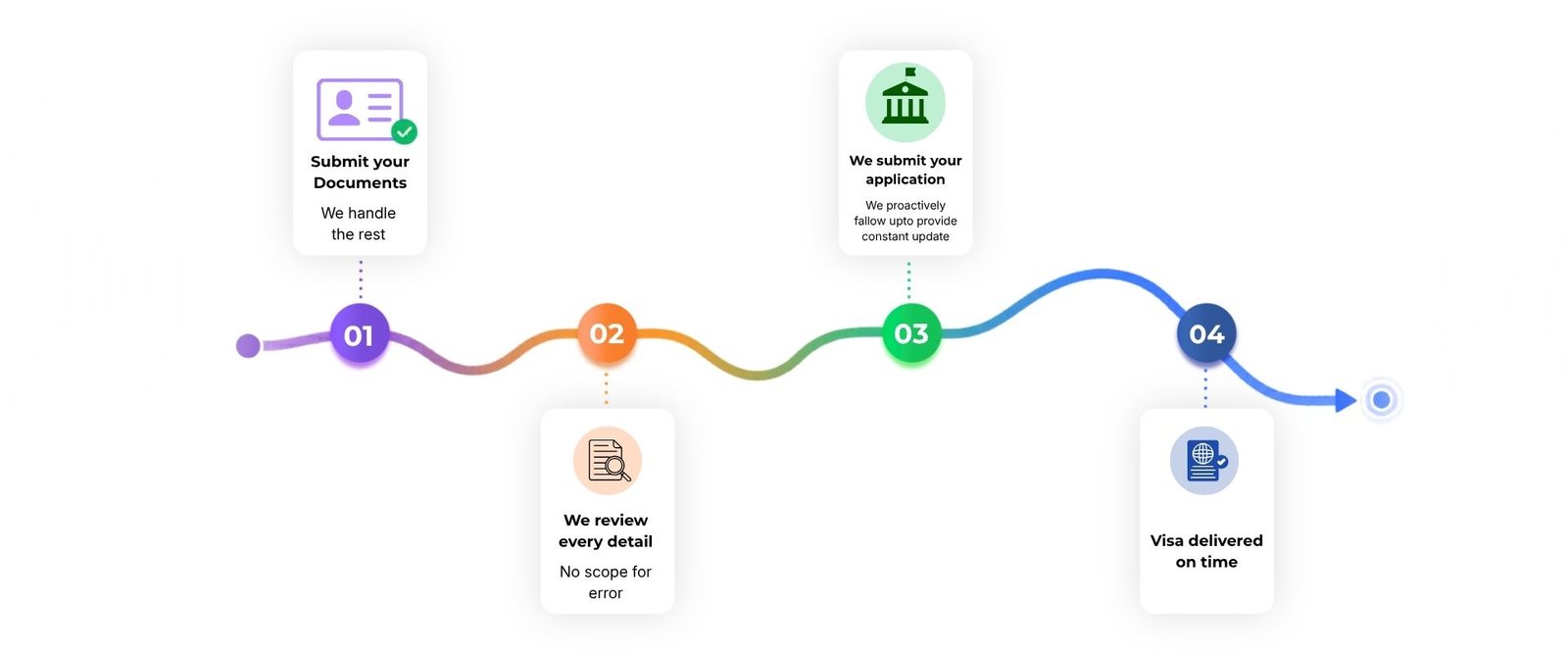
The visa process
4.9 Star Across all platform
Highest rating for any visa platform in India.
Here are the Russia tourist visa requirements for Indians:
Passport: Your passport must be valid for at least six months from the date of your application.
Digital Passport-Sized Photo: The photo must meet specific requirements, such as a white background, no shadows, and a full face without headgear (except for religious reasons).
No, Indian citizens cannot obtain a visa upon arrival in Russia. You must apply for and receive your e-visa before your departure. Planning ahead and ensuring your visa is approved before you travel is crucial to avoid entry denial.
Extensions for a Russian e-visa are only granted in exceptional cases, such as medical emergencies or unforeseen events like natural disasters. If you need to extend your stay for other reasons, you must leave Russia before your visa expires and apply for a new visa if necessary.
Important note:
Compliance: Overstaying your visa can result in fines, deportation, and future entry bans, so it’s crucial to adhere to the visa’s validity period.
If your Russian visa application is rejected, the rejection notice will include the reason for the denial. Common reasons include inaccurate information, missing documents, or security concerns.
Next steps after rejection:
Correct errors: If the rejection is due to an error in your application, correct the mistake and reapply.
Alternative visa options: Consider applying for a visa through the Embassy.
No, Indian citizens applying for a Russian e-visa do not need an invitation letter. The e-visa process is designed to be simpler and more accessible than traditional visa applications, which may require such documentation.
To minimise the risk of rejection, follow these best practices:
Accuracy: Ensure all personal information matches your passport exactly.
Document quality: Upload clear, high-quality digital copies of your passport and photo.
Adhere to guidelines: Follow all instructions provided by the visa application platform.
Consult experts: If in doubt, seek help from visa services like Atlys to guide you through the process.
Early application: Apply well in advance to allow time for any corrections or additional documentation.
No, you do not need to submit your physical passport for a Russian e-visa. The process is entirely online, requiring only a digital scan of the data page of your passport.
Yes, while it is not mandatory to print your e-visa, it is highly recommended. Having a printed copy can prevent potential issues at border control, especially in case of technical difficulties or system errors. Additionally, always keep a digital copy on your device.
Once you submit your Russian e-visa application, it cannot be cancelled or altered. Therefore, ensure all information is correct before submission. If you encounter issues after submission, contact the service platform for assistance.
If you notice a mistake on your issued Russia e-visa, such as incorrect personal details or travel dates, you should immediately contact the platform or service through which you applied. In most cases, you may need to reapply for a new e-visa, as corrections cannot typically be made after issuance.
Preventing mistakes:
Review carefully: Double-check all information before submitting your application.
Seek assistance: Consider using a visa service like Atlys to ensure accuracy.
E-visas for Russia are accepted at specific entry points, including certain airports, seaports, and land border crossings. Popular entry points include:
Airports: Moscow (Sheremetyevo, Domodedovo, Vnukovo), St. Petersburg (Pulkovo).
Seaports: St. Petersburg, Vladivostok.
Land Borders: Several crossing points with neighbouring countries (e.g., Estonia, Finland).
Important note:
Check Entry Points: Verify the list of approved entry points before planning your trip, as not all border crossings accept e-visas.
No, the Russia e-visa is a single-entry visa. Once you leave Russia, you cannot re-enter the country on the same visa. If you plan to leave and return, you must apply for a new e-visa.
Planning tip:
Itinerary Consideration: Plan your travel itinerary to avoid exiting and re-entering Russia during your stay.
A Russia e-visa for Indian citizens allows you to engage in the following activities:
Tourism: Sightseeing, visiting cultural sites, and recreational activities.
Business: Attending meetings, conferences, and other business-related activities.
Humanitarian: Participating in cultural, sports, scientific, and technological events.
Restricted activities:
Employment: Working or engaging in any paid activity is not permitted under the e-visa.
Long-Term Study: The e-visa does not cover long-term educational programs.
No, there is no fee waiver for children, senior citizens, or any other age group when applying for a Russia e-visa. All applicants, regardless of age, must pay the visa processing fee.
Fee information:
Standard Fee: The e-visa fee is the same for all applicants.
Payment Methods: Use secure online payment methods for convenience and safety.
Yes, if you hold dual citizenship and one of your passports is Indian, you can apply for a Russia e-visa using your Indian passport. Ensure that the passport you use to apply for the e-visa is the same one you carry when entering Russia.
Important consideration:
Consistent Documentation: Always use the same passport for your application and travel to avoid complications.
Overstaying your Russia e-visa can result in significant penalties, including fines, deportation, and a possible ban from re-entering Russia in the future. It is crucial to exit Russia before your visa expires.
Consequences of overstay:
Fines: Monetary penalties may be imposed.
Deportation: You may be forcibly removed from Russia.
Future Bans: Re-entry bans can be applied, affecting future travel plans.
The Russia e-visa allows you to travel to specific regions of Russia, depending on the type of e-visa you have obtained. Ensure you understand the geographical limitations of your e-visa before planning your itinerary.
Travel tips:
Check visa type: Different e-visas may have restrictions on which regions you can visit.
Consult maps: Use official resources to verify the regions accessible under your e-visa.
The Russia e-visa is distinct from a traditional Russian visa in several ways:
Application process: The e-visa application is entirely online, whereas a traditional visa often requires an in-person visit to a consulate or visa centre.
Processing time: E-visas are typically processed faster (around four business days), while traditional visas may take longer depending on the visa type and consulate processing times.
Scope and validity: The e-visa generally allows for shorter stays (up to 16 days) and is valid for specific regions, while traditional visas can be issued for longer durations and offer broader travel options within Russia.
Cost: E-visas tend to be more cost-effective compared to traditional visas, which may involve additional fees for services like visa support letters and consular appointments.
Key consideration: If your travel plans involve multiple entries or a longer stay, a traditional visa might be more appropriate.
If you encounter an emergency while in Russia on an e-visa, follow these steps:
Contact your embassy: The Indian embassy in Moscow or consulates in other cities can assist with legal issues, lost passports, or other emergencies.
Emergency numbers: Familiarize yourself with Russian emergency numbers (e.g., 112 for general emergencies) and keep them handy.
Health emergencies: If you require medical attention, contact your travel insurance provider for assistance in finding a local healthcare provider.
Local authorities: In case of theft or other crimes, report the incident to the nearest police station and obtain a police report for insurance purposes.
Preparation tip: Before you travel, make a note of important contact details, including the nearest Indian embassy or consulate, and keep them accessible.
The Russia e-visa grants access to specific regions of Russia, which may vary depending on the type of e-visa issued. Some common regions accessible with an e-visa include:
Far Eastern Federal District: Includes cities like Vladivostok and Khabarovsk.
Kaliningrad Region: A popular destination for visitors interested in its unique history and culture.
St. Petersburg and Leningrad Region: This area includes the cultural capital of Russia, St. Petersburg, and nearby regions.
Restrictions to note:
Limited regional access: The e-visa may not allow travel to other parts of Russia outside the specified regions.
Military and restricted areas: Some areas, especially near military installations or sensitive borders, may be off-limits to e-visa holders. Always check for any travel restrictions before planning your itinerary.
Travel planning: Before your trip, verify the specific regions you can visit with your e-visa and plan your travel accordingly to avoid any legal issues.